Use case · Reality TV
Forty cameras, twenty-four hours, one wall to match.
Reality formats run huge mixed rigs around the clock: fixed minis in every room, roaming handhelds, hot heads in the studio. The gallery wall is unforgiving and the crew is lean.
The problem
What makes reality tv hard
Scale without headcount
Dozens of cameras cannot mean dozens of operators. Control has to concentrate.
Fixed and roaming mixed
Wall-mounted POVs and handheld mirrorless live in the same cut and rarely in the same colour space.
Always on air
There is no maintenance window. Reconfiguration happens while recording.
A gallery built around one RCP
One RCP shades the entire rig as numbered channels, up to 128 cameras under the MSU licence. Scenes and groups organise the house by room or by story.
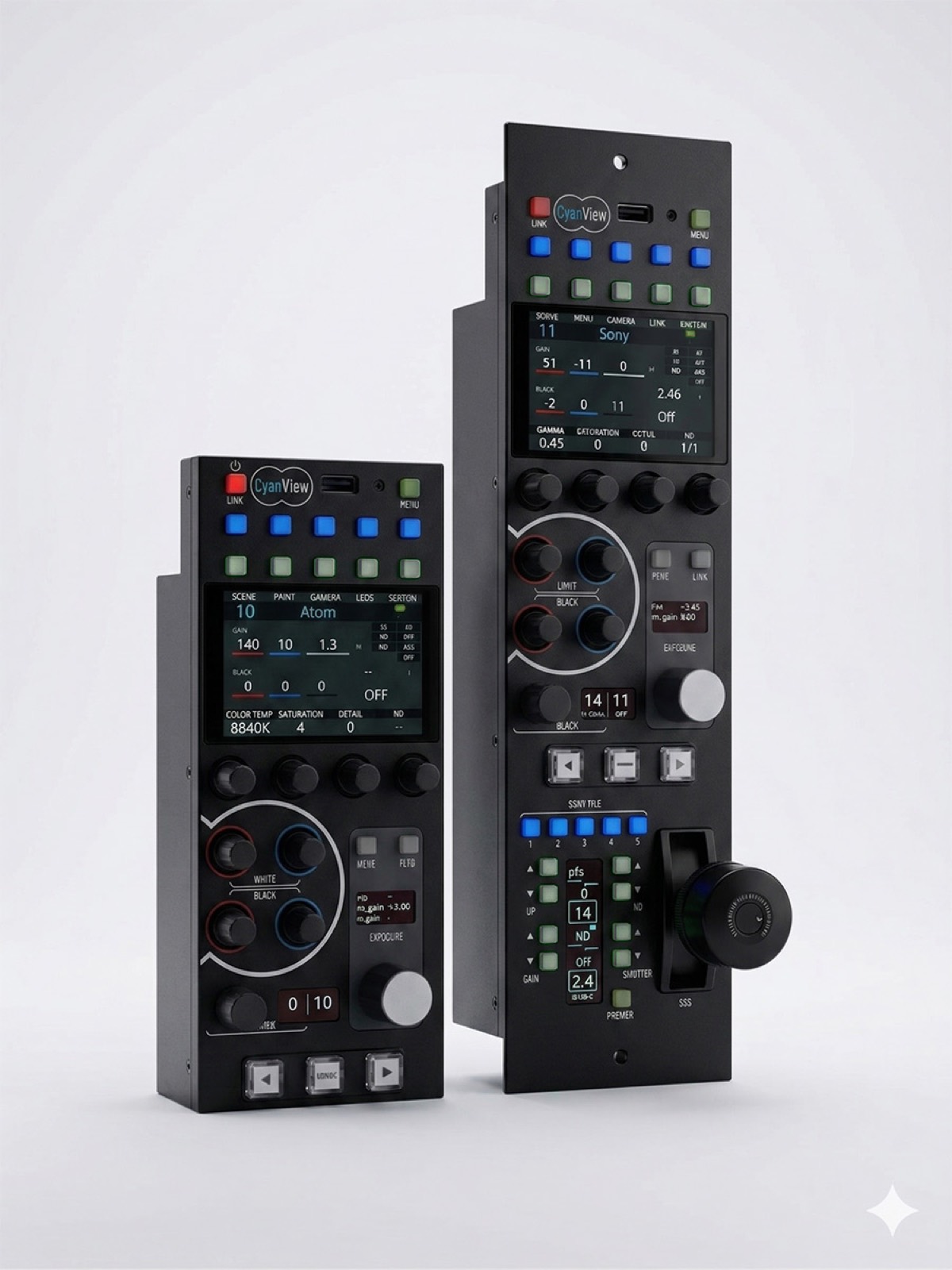
Minis matched to handhelds
Fixed POVs join over the CI0 serial interface; a colour layer on the same channel gives small cameras real shading: black, multi-matrix and detail on top of basic exposure control.
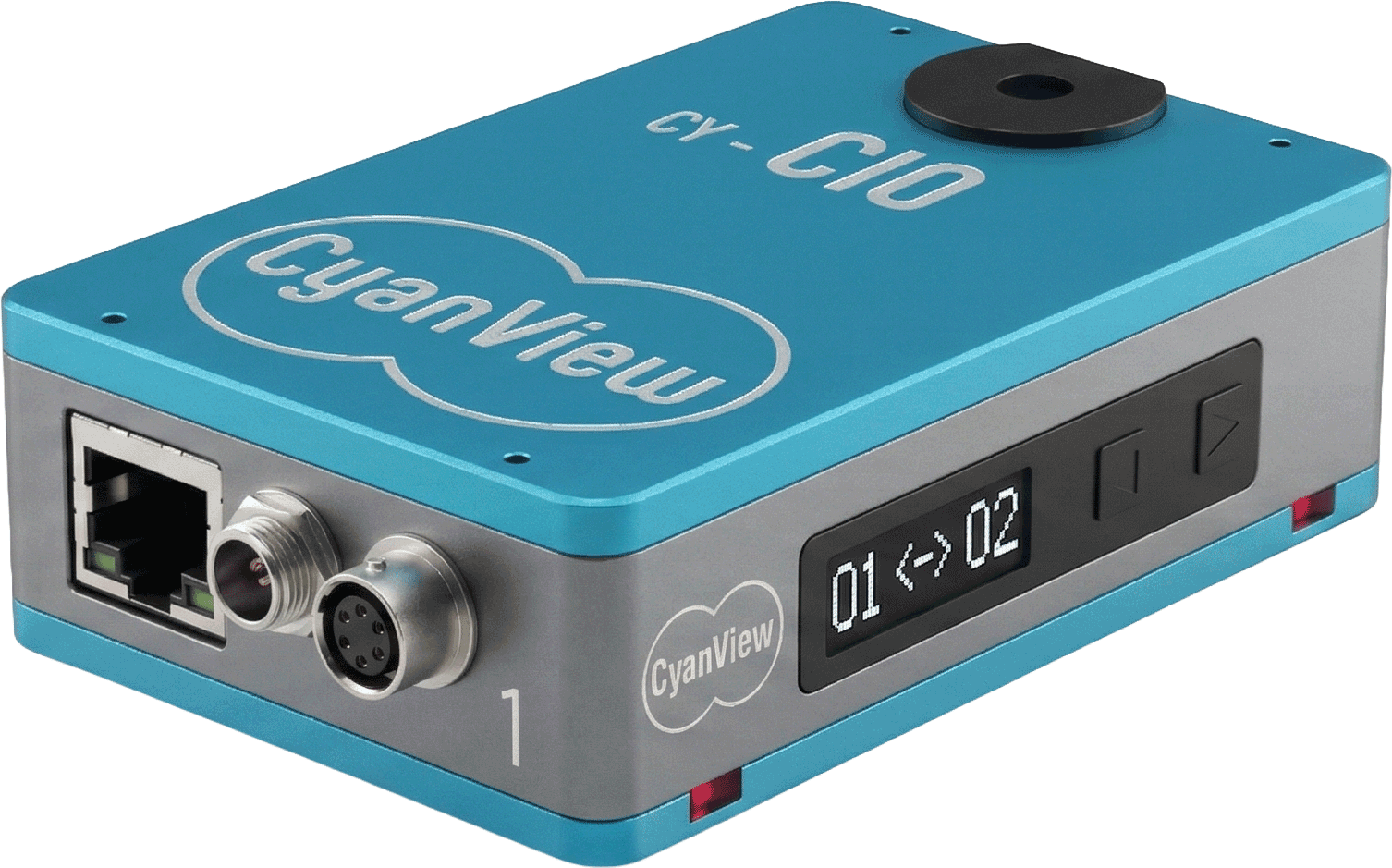
Map it onto your production
Cyanview and its integrators design the topology with you: cameras, interfaces, transport and the right control surface.
One Cyanview for every camera.
© Cyanview · Belgium